


Letting your gas tank run near empty might seem harmless, especially if you’re in a rush or trying to stretch your budget. But driving with very low fuel can quietly cause problems that build up over time. Modern vehicles are designed to be efficient, but that doesn’t mean they’re immune to the effects of low fuel habits.
If you’ve ever driven with the low fuel light on or waited until the last possible moment to fill up, here’s why it’s better to keep your tank at least a quarter full whenever possible.
Your Fuel Pump Depends on Gas for Cooling
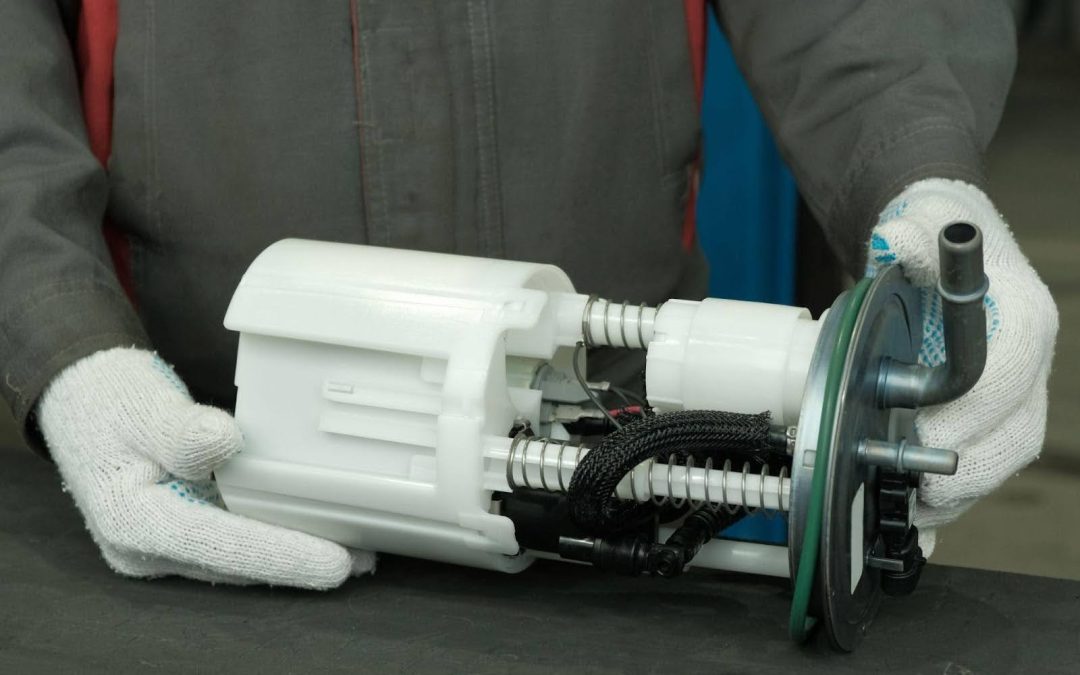
In most vehicles, the fuel pump is located inside the gas tank. Gasoline not only supplies power to the engine but also helps keep the pump cool. When the fuel level drops too low, the pump can overheat. Repeated overheating shortens its lifespan, and replacing a fuel pump can be an expensive repair.
By consistently driving with a low tank, you’re increasing the wear on this important component without realizing it.
Sediment at the Bottom of the Tank Can Get Stirred Up
Over time, small particles like dirt or rust can settle at the bottom of your gas tank. When your tank is nearly empty, your fuel system may pull these particles into the fuel filter or even the engine.
This can lead to clogged filters, reduced performance, and in more serious cases, damage to your injectors or combustion chamber. Filling up before hitting empty helps avoid drawing up that unwanted debris.
It Can Cause Engine Misfires or Hesitation
A very low fuel level can result in inconsistent fuel delivery. If your engine isn’t getting a steady supply of fuel, you may notice hesitation when accelerating or even misfiring. These symptoms can be stressful during busy driving conditions and might feel like a bigger issue than it is.
Avoiding these symptoms is often as simple as keeping more fuel in the tank.
Your Fuel Gauge Isn’t Always Perfect
Relying too heavily on your fuel gauge or range estimate can backfire. These readings are approximate and can fluctuate based on how and where you drive. Driving uphill, using the A/C, or idling in traffic can affect how quickly fuel is used. A quarter tank can turn empty much faster than expected in the wrong conditions.
Filling up sooner gives you peace of mind and helps you avoid unexpected stalls or emergency stops.
Running Out of Gas Can Damage the Catalytic Converter
If your engine sputters or stalls due to a lack of fuel, it can cause unburned fuel to pass through the exhaust system. That fuel can ignite in the catalytic converter, leading to overheating or long-term damage.
The catalytic converter is an expensive part to replace and plays a vital role in emissions control. Protecting it starts with something as basic as keeping the tank filled.
Strain on the Battery and Starter
If you stall due to low fuel and need to restart the engine multiple times, you’re putting added strain on the battery and starter. These components aren’t designed for repeated starts in quick succession. Keeping a healthy fuel level helps avoid these unnecessary stress points.
Avoid Unexpected Breakdowns
Driving on empty catches drivers at the worst possible time, like in traffic, bad weather, or remote areas without nearby gas stations. Running out of fuel can be particularly dangerous, depending on the circumstances.
Planning ahead and filling up when you hit a quarter tank can prevent frustrating and potentially dangerous situations.
Protect Your Fuel System with Lorentz Automotive in Lewisville, TX
If you’ve gotten into the habit of running your tank low, it’s a good idea to have your vehicle checked. At Lorentz Automotive, we can inspect your fuel pump, filters, and overall fuel system to catch issues before they become major repairs. Our technicians are here to help keep your vehicle running reliably and efficiently—no matter how many miles you drive.
Stop by for a checkup or maintenance today and enjoy the peace of mind that comes with a vehicle you can trust.