


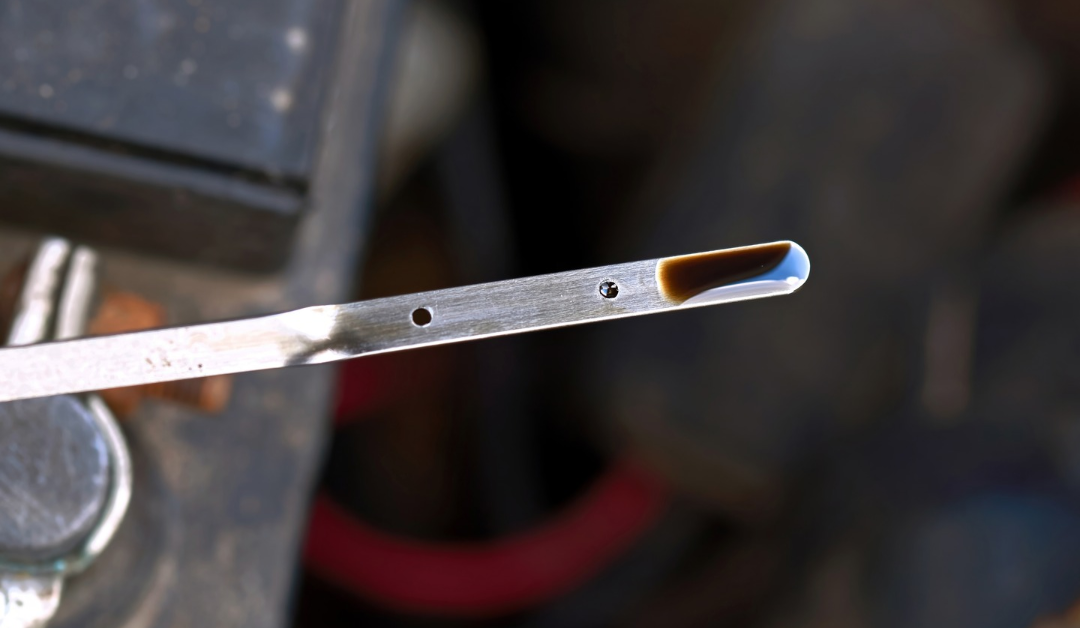
Oil loss doesn’t always leave a puddle on the driveway. It can collect behind an underbody
shield, leak mainly while you’re driving, or burn inside the engine. If the level keeps falling, the
clean pavement underneath tells you very little about where the oil is going.
Start by recording how much you add and the mileage between top-offs. Include any smoke or
burning smell and when it appears. A clear pattern helps the technician choose the first checks,
and keeping the level within range protects the engine while the source is being found.
Hidden Oil Leaks Under the Engine
Many vehicles have shields beneath the engine. Those panels protect components and manage
airflow, but they also catch leaking fluids. Oil may remain on the shield or spread across the
underside while the pavement below stays dry.
Leaks also travel along surfaces before dropping. The wet area you see near the bottom of the
engine might be below the actual source. The technician needs to inspect the route and identify
where fresh oil first appears.
For a slow leak, cleaning and rechecking helps show where fresh oil begins. A tracing method
may also help locate a difficult source. The repair should identify the leaking seal or component,
instead of replacing several gaskets simply because oil has spread across them.
Engine Oil Leaks That Appear While Driving
Heat, pressure, and moving oil change conditions inside a running engine. A leak might be
small while the vehicle is parked and more active during a trip. Airflow then spreads the oil,
making it less likely to drip neatly beneath the car.
Oil reaching a hot engine or exhaust surface produces a burning smell. You may notice it after
parking even when the driveway is clean. Mention whether the odor appears after a long drive,
a short trip, or immediately after recent oil service.
A significant leak or smoke from hot surfaces deserves prompt attention. If the oil level has
fallen substantially, get advice before continuing to drive. Maintaining lubrication is the priority
while the leak is being located.
Signs Your Engine Is Burning Oil
Oil can enter the combustion chamber through worn or damaged components, ventilation
issues, or other routes depending on the engine design. It then burns with the mixture and
leaves through the exhaust instead of reaching the ground.
Blue-gray exhaust smoke is one clue, but smaller amounts may be difficult to notice. You might
see smoke briefly after startup or during particular driving conditions. The timing helps the
technician decide which checks matter most.
Describe the smoke as you see it. ‘A puff appears after the car sits overnight’ gives the
technician a useful condition to check. That helps direct the inspection toward ventilation, leaks,
or internal engine condition before you commit to a major repair based on the smoke alone.
Crankcase Ventilation Problems and Oil Loss
The ventilation system manages vapors inside the engine and routes them back toward the
intake. Its valves, separators, hoses, and passages differ across designs. A problem in that
system can alter pressure or let excess oil enter the intake.
A ventilation fault can also change idle quality or encourage leaks around seals. Checking the
valves, hoses, and pressure behavior helps explain whether that system is involved in the oil
loss. Correcting a failed ventilation component is a different repair from replacing worn internal
engine parts, so it deserves attention during the first checks.
A turbocharged engine adds oil lines, drainage, and turbo sealing to the checks. Those areas
need inspection for the particular engine. Frequent top-offs deserve attention, but the repair
decision should follow the source found during testing rather than assuming every
oil-consuming engine needs a complete rebuild.
Tracking Engine Oil Use Between Services
Use the manufacturer’s level-checking procedure. Level ground, the required waiting period,
and a consistent method make readings easier to compare. If the vehicle uses an electronic
display, follow its instructions for temperature and operating conditions.
Keep these details in your oil top-off record:
- The date and mileage of each level check
- The quantity and specification of oil added
- The mileage since the previous top-off
- Any smoke, burning odor, or change after service
Adding a quart after three thousand miles is a different pattern from adding one after five
hundred. The engine manufacturer’s criteria determine how that rate is judged. Recording the
amount and distance gives the technician something to measure and compare, instead of
relying on the impression that the car uses ‘a lot’ of oil.
Avoid overfilling while trying to stay ahead of the loss. Add the correct oil in measured amounts
and recheck. An excessive fill creates another problem and makes the original pattern harder to
follow.
Testing Before Oil Leak or Engine Repair
The inspection starts with external leaks, service history, level accuracy, and accessible system
checks. Further testing may include engine mechanical condition when the findings point toward
internal wear.
A leaking gasket, a ventilation fault, and worn internal sealing need different repairs. Ask where
the oil is escaping or entering combustion and what test showed it. You should also know
whether low oil has caused related damage before approving a larger engine repair.
An oil pressure warning while the engine is running needs a safe stop and shutdown. Adding oil
later or booking an ordinary oil change leaves the immediate risk unresolved. Get help if
pressure is inadequate or the cause of the warning is unclear.
After repair, continue the same measurement routine for a while. Comparing the new loss rate
with your earlier record helps confirm the result and shows whether another source needs
attention.
Oil Leak Testing and Engine Repair at Lorentz Automotive
Lorentz Automotive in Lewisville, TX, can discuss oil leak testing and engine repair when the
level drops without a visible puddle. Bring your top-off record and describe any smoke or odor
you notice after driving. We’ll review the checks needed to find the source and explain the repair
options.
Schedule an oil-loss inspection with Lorentz Automotive before repeated top-offs hide a growing
engine problem.